
Habitat Complexity That Supports Native Species
Wildlife Habitat Management in Colorado for landowners balancing vegetation control with ecological function
Habitat improvement requires understanding how vegetation structure, species composition, and spatial patterns affect wildlife that depend on your property. West Sky Land Management provides wildlife habitat management in Parker through selective clearing that maintains native plant communities while removing invasive species and managing brush density. The approach creates edge habitat, retains mast-producing shrubs, and preserves snag trees that provide nesting cavities and foraging substrate for woodpeckers and cavity-nesting birds.
Effective habitat work identifies which vegetation serves wildlife needs and which creates monocultures that reduce biodiversity. Native shrubs like chokecherry and serviceberry provide food sources, while dense thickets offer thermal and escape cover for elk, deer, and small mammals. Management involves thinning to create varied structure rather than clearing uniformly, leaving brush islands interspersed with openings that support diverse species assemblages.
Schedule a habitat assessment to identify management opportunities that align vegetation work with wildlife objectives.
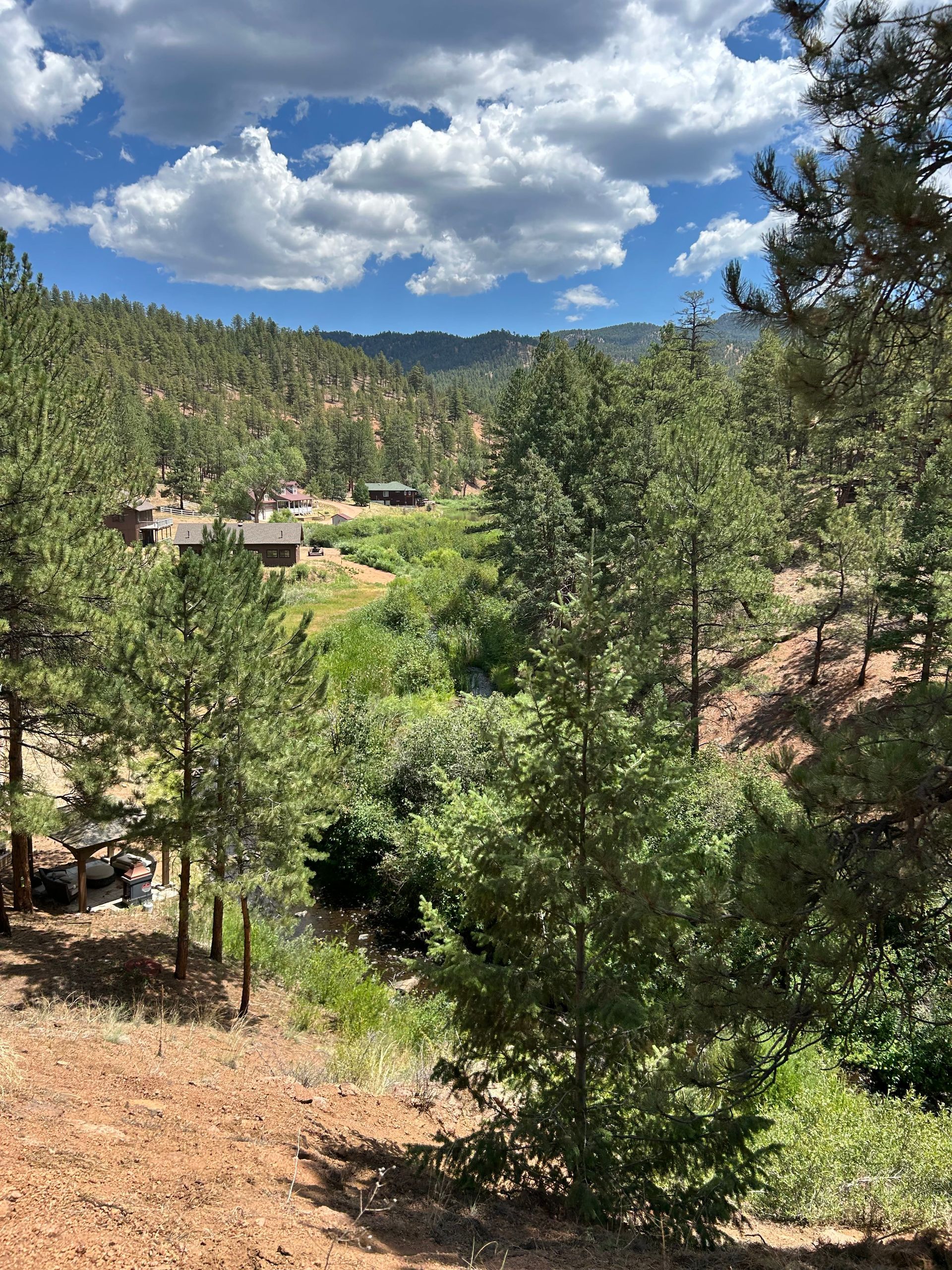

Why Selective Clearing Works for Habitat
Wildlife-friendly land clearing follows ecological principles where diversity in vegetation height, density, and age produces higher species richness than uniform conditions. Work plans designate retention areas where existing habitat structure remains intact, transition zones where partial thinning creates edge conditions, and clearings that regenerate herbaceous vegetation used by ground-nesting birds and pollinators. Timing restrictions prevent disturbance during nesting season from May through July when ground and shrub nests are active.
After selective habitat work completes, your property shows a mosaic pattern rather than uniform clearing. Brush patches remain in configurations that provide cover while openings allow sunlight to reach native grasses and forbs that were previously shaded out. Bird activity increases in edge zones where insects concentrate, and browse availability improves for deer and elk where new growth emerges following canopy opening. Wildlife movement patterns shift as animals use the varied structure for different seasonal needs.
Habitat restoration often includes controlling non-native species that displace native plant communities. Smooth brome, Canada thistle, and cheatgrass create low-value monocultures that reduce forage quality and nesting habitat. Removal combined with native seeding reestablishes plant diversity that supports broader wildlife use.
What Property Owners Usually Ask
Managing land for wildlife involves understanding habitat requirements, vegetation response to management, and seasonal wildlife behavior patterns common to the Parker region.
What vegetation should be retained for wildlife?
Retention priorities include berry-producing shrubs like chokecherry and serviceberry that provide fall food sources, standing dead trees that offer nesting cavities, and oak brush thickets that provide thermal cover during winter for deer and elk populations.
How does brush management differ from complete removal?
Brush management thins density to reduce fire hazard and competition while leaving scattered individuals and patches that maintain habitat structure, whereas complete removal eliminates wildlife cover and food sources entirely.
Why do edge habitats support more species?
Edge zones between forest and openings create gradients in light, temperature, and vegetation structure that support species requiring both cover and foraging areas, increasing overall biodiversity compared to uniform forest or grassland conditions.
When does clearing work avoid nesting disruption?
Work scheduled between August and April avoids the primary nesting season for most Front Range bird species, preventing nest abandonment and direct mortality to eggs and nestlings during vegetation removal operations.
Balancing land management goals with habitat conservation requires site-specific planning based on property conditions and surrounding landscape context. West Sky Land Management develops habitat management plans that integrate fire safety, forest health, and wildlife objectives. Request a property evaluation to explore management options for your land.