
Trees That Threaten Structures and Safety
Hazard Tree Removal in Colorado for properties with dead, diseased, or storm-damaged trees near homes and access routes
A tree that splits during a windstorm or drops limbs without warning creates immediate risk to structures, vehicles, and anyone nearby. West Sky Land Management handles hazard tree removal in Parker, addressing trees that show visible decay, structural failure, or damage from recent weather events. Properties with mature trees near rooflines, driveways, or utility lines often require assessment after heavy snow, high winds, or when bark beetles move through the area.
The work begins with evaluating each tree's condition—checking for hollow sections, root plate movement, crown dieback, or cracks in the trunk that indicate the tree can no longer support its own weight. Dead trees lose structural integrity quickly in Colorado's freeze-thaw cycles, and diseased trees often fail at points of infection where wood has softened. Storm damage may leave trees with split trunks or hanging branches under tension, both of which require controlled removal to prevent unplanned collapse.
Schedule a property evaluation to identify trees that present structural or safety concerns.
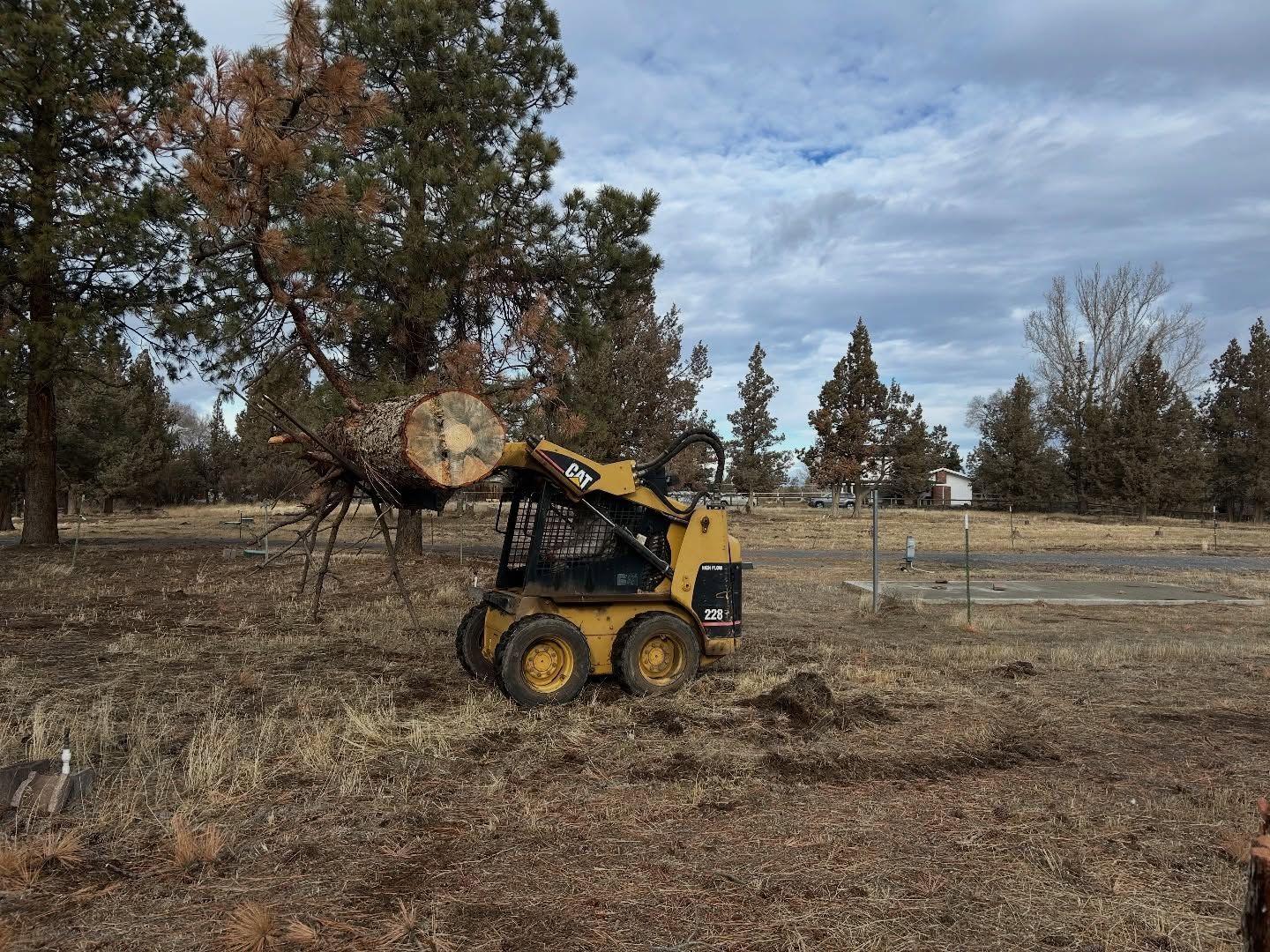

What Happens During Hazard Tree Assessment and Removal
Assessment focuses on observable signs: peeling bark that exposes insect galleries, fungal growth at the base indicating root rot, lean angles that have increased since the previous season, and crown density compared to surrounding healthy trees. Trees growing within falling distance of structures receive priority, especially if they show active decay or if recent storms have already caused partial failure. In areas where bark beetle activity is widespread, multiple trees on the same property may require coordinated removal to prevent additional failures.
Once hazard trees are removed, your property no longer has the risk of sudden limb drop or full tree failure during windstorms. Sight lines open up, debris accumulation from falling bark and branches stops, and you no longer monitor trees after every storm. West Sky Land Management removes the entire tree including the stump when access allows, or cuts flush to grade when equipment access is limited, leaving the site clear of material that could attract additional pests or create future fire fuel.
The process includes clearing slash and wood debris, which in Parker often means chipping material on-site or hauling larger logs off the property depending on your preference and local disposal options. Trees located near fences, outbuildings, or slopes require rigging to control the direction of fall and protect existing features. Properties with multiple hazard trees benefit from staged removal, addressing the highest-risk trees first and scheduling follow-up work based on seasonal conditions and your timeline.
What Property Owners Usually Ask
Hazard tree work in Parker involves site-specific decisions about timing, equipment access, and what to do with the wood and debris once trees are down.
What makes a tree a hazard versus just unhealthy?
A hazard tree shows structural failure signs—lean, cracks, hollow sections, or root movement—that indicate it may fall or drop limbs without additional stress, not just slow decline or poor foliage.
How is storm-damaged tree removal different from standard tree removal?
Storm damage often leaves trees under tension or with partial failures, requiring rigging and sectional dismantling to prevent sudden movement during cutting, rather than straightforward felling.
When should I remove a dead tree rather than wait?
Dead trees in Parker lose stability rapidly due to freeze-thaw cycles and beetle activity, so removal before winter storms or spring winds reduces the chance of uncontrolled failure.
What happens to the wood after hazard tree removal?
You can keep larger logs for firewood, have all material chipped and spread on-site, or have it hauled off depending on volume and your property's access for equipment.
How do I know if multiple trees on my property are hazards?
Assessment looks at each tree individually for signs of decay, disease, or structural compromise, then prioritizes removal based on proximity to structures and likelihood of failure.
West Sky Land Management provides hazard tree assessment and removal for properties where tree failure poses clear risk to buildings or access. Contact us to arrange an on-site evaluation of trees showing structural decline or storm damage.