
Reducing Fire Hazards Before Ignition Occurs
Fire Prevention Services in Colorado for homes adjacent to open space and forestland
Overgrown vegetation creates continuous fuel beds that carry fire directly to structures when ignition sources appear. West Sky Land Management addresses fire hazard reduction through systematic fuel management and firebreak installation in Fort Collins. You notice the difference when walking your property line—cleared zones interrupt fuel continuity, scattered vegetation replaces dense thickets, and firebreaks provide visible barriers where flames lose intensity and spread rate drops.
Fire prevention work focuses on breaking fuel continuity by removing dense brush, thinning overcrowded vegetation, and creating fuel-free zones that alter fire behavior. The approach differs from general landscaping because decisions center on ignitability, heat release, and flame length rather than aesthetics alone. Properties near open space interface areas face higher risk as wildfires transition from public land to private parcels.
Arrange a consultation to review fire hazards specific to your property's vegetation and position relative to potential ignition sources.
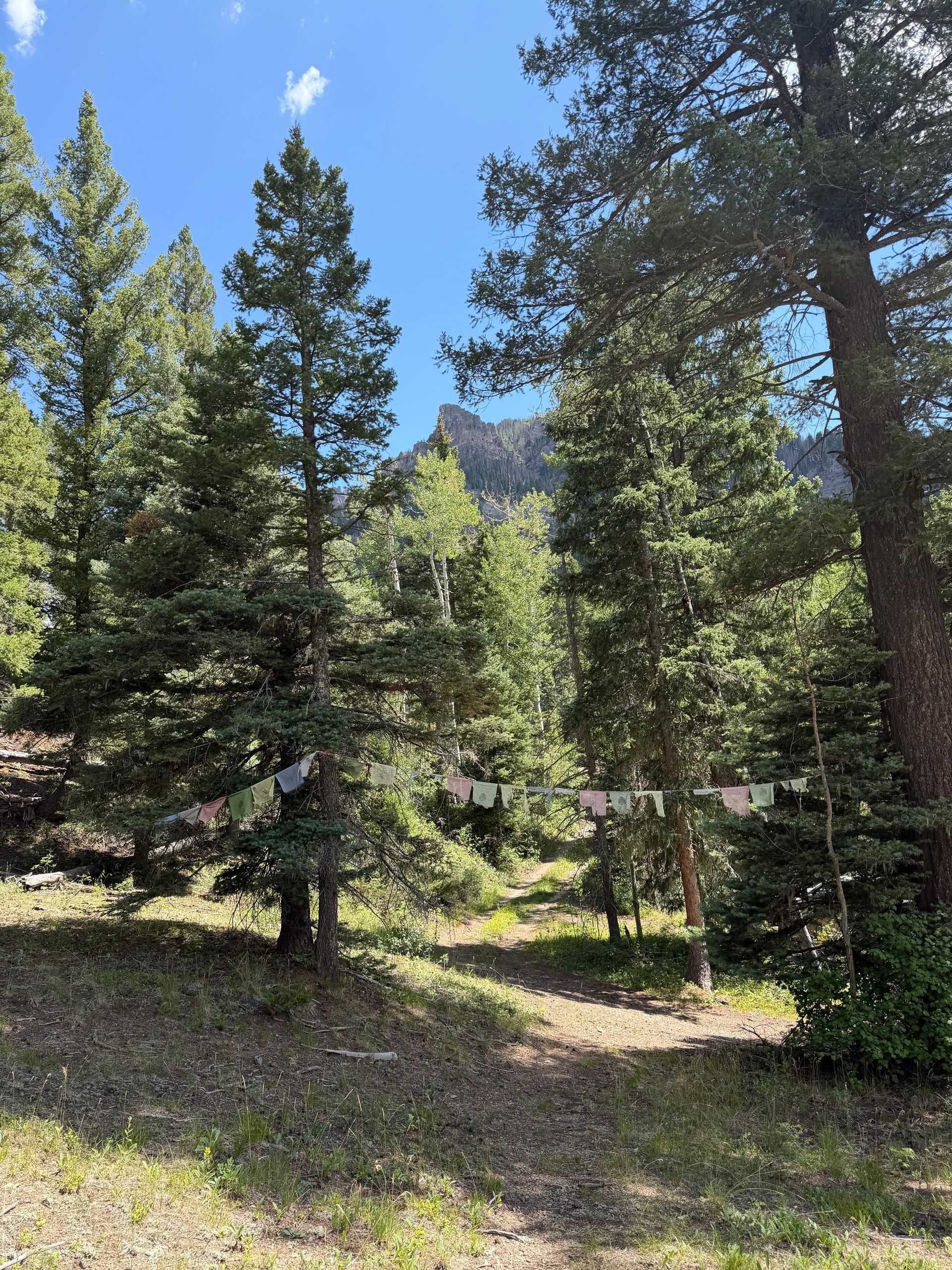

How Fuel Management Addresses Fire Risk
Effective fuel management identifies vegetation types by their flammability characteristics and heat content. Gambel oak, serviceberry, and mountain mahogany resprout aggressively and create dense fuel beds that burn intensely. Removal involves cutting to ground level followed by treatment to prevent resprouting, then establishing low-flammability native grasses or forbs that provide erosion control without creating fire hazard.
Once fuel management completes, fire behavior on your property changes measurably. Flame lengths decrease where fuel volume is reduced, rate of spread slows across cleared areas, and firebreaks provide locations where suppression efforts can succeed. The work doesn't eliminate all vegetation but creates a mosaic where fuel is distributed in patterns that prevent continuous high-intensity burning.
Firebreak width and placement depend on slope, prevailing winds, and adjacent fuel types. Some properties benefit from perimeter firebreaks that encircle structures, while others require strategic breaks that segment large fuel beds into smaller units. Maintenance becomes part of ongoing fire preparedness since vegetation regrows and fuel accumulates over time.
Answers to Frequent Service Questions
Fire prevention services involve understanding fuel types, firebreak design, and how Fort Collins fire weather patterns affect ignition risk.
What makes a firebreak effective?
Effective firebreaks are wide enough that radiant heat and embers can't cross the gap, typically 10 to 30 feet depending on adjacent fuel height, and cleared to mineral soil or non-flammable surface to eliminate all ignition sources within the break zone.
How does fuel type affect fire behavior?
Fine fuels like grasses and needles ignite easily and spread fire quickly, while shrubs and brush produce higher heat release and longer flame lengths. Managing both fuel size classes controls different aspects of fire intensity and spread rate.
Why does resprouting vegetation require different treatment?
Many native shrubs resprout vigorously after cutting, creating denser fuel beds than existed before treatment. Effective control requires cutting during the growing season when carbohydrate reserves are low or applying targeted herbicide to cut stumps immediately after removal.
When does fire weather create highest risk in Fort Collins?
Late spring and early summer bring low humidity, high temperatures, and Chinook winds that rapidly dry fuels and drive extreme fire behavior, making pre-season fuel reduction critical for properties in vulnerable locations.
What should property owners maintain after initial treatment?
Annual inspection and maintenance includes removing new growth in firebreaks, clearing accumulated needles and leaves near structures, and addressing dead vegetation before each fire season to prevent fuel bed regeneration.
Properties prepared before fire season begins have measurably better outcomes during wildfire events. West Sky Land Management develops fire prevention plans based on your property's specific fuel hazards and terrain. Schedule a property assessment to identify priority treatment areas.