
Vegetation Management That Reduces Fire Risk
Defensible Space Services in Colorado for homes in wildfire-prone areas requiring zone-based fuel reduction and spacing
Homes located near forest, grassland, or open space face wildfire risk that increases when vegetation grows too close to structures or when trees and brush create continuous fuel from surrounding land to the building itself. Defensible space services from West Sky Land Management address this by creating zones around your home in Parker where vegetation is thinned, spaced, and maintained according to Colorado wildfire guidelines. The work focuses on breaking up fuel continuity—removing ladder fuels that carry fire from ground level into tree canopies, spacing trees so flames cannot jump from crown to crown, and clearing brush that would otherwise ignite structures directly.
Zone-based management divides the area around your home into sections with different treatment standards. The zone closest to the structure requires the most aggressive clearing—removal of all dead vegetation, spacing of remaining plants, and elimination of anything that can carry embers to siding or roofing. Outer zones allow denser vegetation but still require thinning to slow fire spread and reduce flame intensity before it reaches the home.
Schedule a property evaluation to determine which zones require immediate work and what vegetation poses the highest risk.
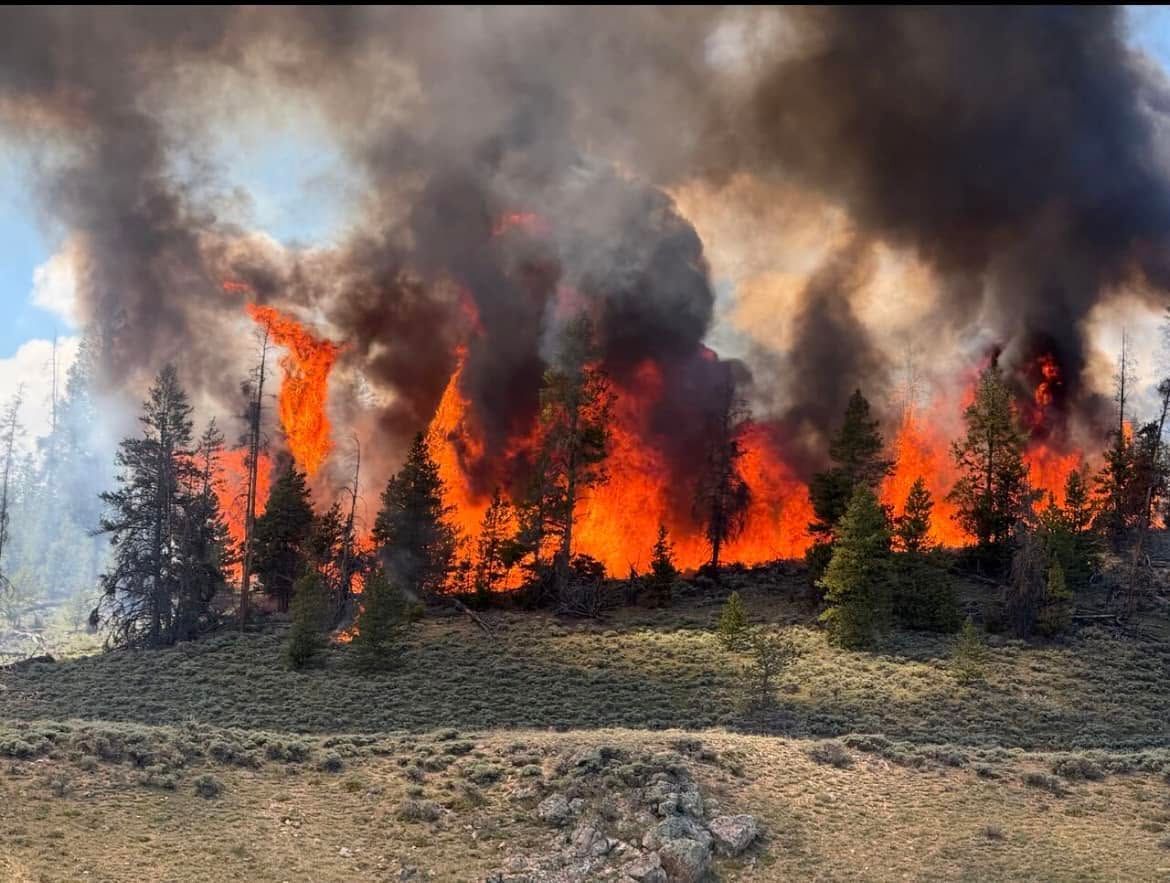

How Zone-Based Vegetation Management Works
The process involves measuring distances from the home, identifying vegetation types, and applying spacing and height standards to each zone. Trees within fifteen feet of the structure are often removed entirely or limbed up to eliminate low branches, while trees farther out are spaced to prevent crown contact and thinned to reduce overall fuel load. Brush species like scrub oak and Gambel oak resprout aggressively in Parker, so removal includes cutting at ground level and treating stumps to prevent regrowth that would recreate the fuel problem within a season.
Once defensible space is established, your property shows clear separation between the home and surrounding vegetation, tree canopies no longer touch, and ground fuels like fallen branches and needle litter are reduced to levels that won't support intense fire. You can see farther into the surrounding landscape, and firefighters have room to work near the structure if wildfire does reach your property. The zones remain visible as distinct areas of management rather than a uniform clearing.
Ongoing maintenance keeps zones effective as plants regrow and new material accumulates. Properties on slopes require wider zones because fire moves faster uphill, and homes surrounded by dense forest need more aggressive thinning than those with natural openings or grassland nearby. Removing fire fuels also reduces insect habitat and limits the spread of tree diseases that move through dense, stressed stands.
Common Questions About This Service
Defensible space work follows specific guidelines but adapts to each property's layout, vegetation, and fire risk factors based on local conditions.
What's the difference between the zones around my home?
The immediate zone within fifteen feet of the structure requires removal of most vegetation and elimination of anything that can ignite, while outer zones allow more vegetation but enforce spacing between trees and height limits on brush.
How do you decide which trees to remove versus which to keep?
Trees are evaluated based on distance from the home, species, health, spacing from other trees, and whether they provide ladder fuels or crown contact that allows fire to spread.
Why does brush need to be removed if it's not tall?
Low brush like scrub oak and chokecherry creates surface fire that generates heat and embers, carries flame to tree trunks, and ignites structures directly when it grows against siding or decks.
What should defensible space look like when it's finished?
The area around your home should show visible ground between plants, tree branches at least six feet above the ground, no vegetation touching the structure, and clear separation between tree canopies.
West Sky Land Management creates and maintains defensible space for homes where wildfire risk requires managed vegetation zones. Contact us to arrange a zone assessment and discuss your property's specific fuel reduction needs.