
Property Protection Starts with Defensible Space
Wildfire Mitigation in Colorado for properties in high-risk fire zones
Colorado's Front Range faces increasing wildfire threats as dry conditions and dense vegetation create fuel continuity between forests and structures. West Sky Land Management provides wildfire mitigation services in Parker that reduce fire behavior through measurable fuel reduction and vegetation management. Property owners in foothill and wildland-urban interface areas require defensible space zones that meet Firewise standards while maintaining landscape function.
Defensible space creation involves removing ladder fuels that allow ground fires to reach tree canopies, thinning overcrowded brush that accelerates flame spread, and establishing fuel breaks around structures. The work follows Colorado State Forest Service guidelines for zone distances and vegetation clearance based on slope and dominant fuel types. Each property requires site-specific assessment because fire behavior changes dramatically with terrain, wind patterns, and existing vegetation density.
Schedule a property evaluation to identify specific fire hazards and required clearance zones.

What Proper Fuel Reduction Accomplishes
Wildfire mitigation targets three fuel layers: ground fuels like needles and leaves, surface fuels including brush and small vegetation, and ladder fuels that bridge the gap to tree crowns. Removing these connections prevents low-intensity ground fires from transitioning to catastrophic crown fires that move rapidly through canopies. The process includes cutting brush to ground level, removing dead and dying trees, and thinning healthy trees to reduce crown density where branches interlock.
After fuel reduction work finishes, you see clear sight lines between remaining trees, ground vegetation reduced to scattered low-growing plants, and a visible buffer around structures where ignition sources can't reach siding or decks. Fire behavior modeling shows that properly mitigated properties experience slower flame spread, lower fire intensity, and increased chances of structure survival during wildfire events. Embers landing in cleared zones have less material to ignite.
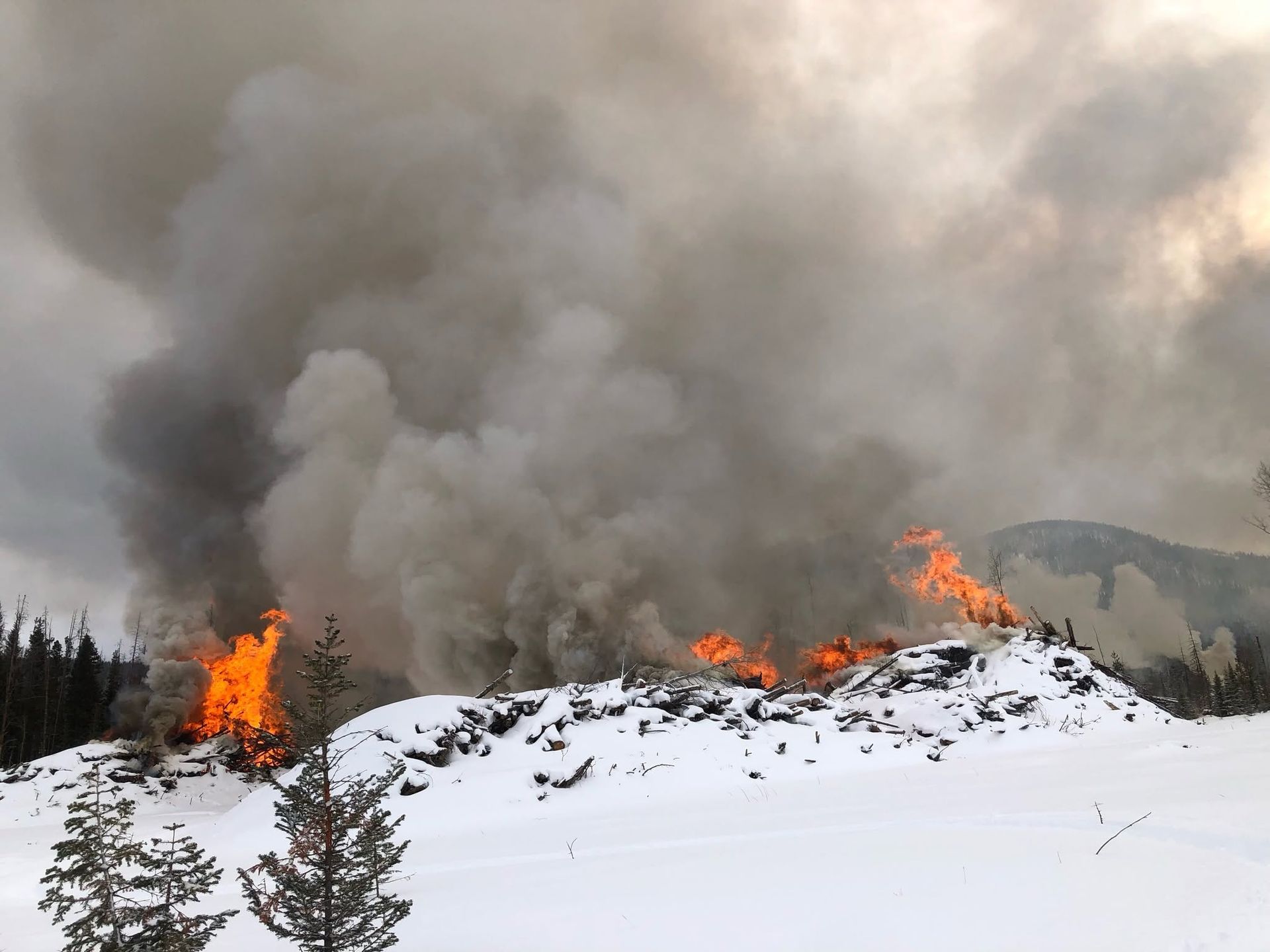
Fuel reduction work generates significant debris volume that must be chipped, hauled, or burned under permit. Some properties require staged approaches where high-priority zones closest to structures receive treatment first, followed by extended perimeter work. Seasonal timing affects project logistics since fire bans limit burn options and wet conditions reduce site access in spring.
Questions Property Owners Usually Ask
Preparing a property for wildfire involves understanding clearance requirements, vegetation management techniques, and how Parker's terrain and climate affect fire risk.
What does defensible space actually include?
Defensible space consists of zones radiating from structures where vegetation density and fuel continuity are reduced according to fire behavior science. Zone 1 extends up to 15 feet from the building and requires removing all flammable vegetation and materials, while Zone 2 extends to 100 feet and involves selective thinning and vertical fuel separation.
How is ladder fuel removal different from general tree trimming?
Ladder fuel removal specifically targets branches, shrubs, and small trees that create vertical continuity between ground and canopy, typically requiring limbing of lower branches up to eight feet and removing all vegetation beneath retained tree crowns to prevent fire from climbing into the canopy structure.
Why does slope affect clearance distance?
Fire moves faster uphill because flames preheat fuels above them, doubling or tripling spread rates on steep terrain. Properties on slopes require wider defensible space zones and more aggressive fuel reduction to compensate for increased fire behavior intensity.
What happens to removed vegetation and debris?
Material is chipped on-site for mulch application in cleared areas, hauled off-property for disposal, or pile-burned under county air quality permits when conditions allow, depending on volume and property access for equipment.
West Sky Land Management works with property owners throughout Parker to develop and implement wildfire mitigation plans tailored to specific terrain and vegetation conditions. Request an on-site assessment to determine your property's fuel load and required clearance zones.